
A hands-on academic program on competitiveness
Learn how sector-specific policies can create better and more sustainable jobs.
The Competitiveness Development Certificate combines intensive classroom learning, field visits, international peer learning and practical project work.
Two intensive weeks in Barcelona · Six online peer-learning sessions · One real-world field project
One initial week in person at the School of International Business of the Universitat Pompeu Fabra in Barcelona, including field visits
Six sessions of online peer-to-peer learning working on an actual project, with project analytics supported by our AI Agent
One final week in person to review and present the projects
The 2027 Course
18 – 22 January 2027 (WK1 in class and field visits, Barcelona)
25 January 2027 – 28 May 2027 (Field Project – online peer-to-peer learning)
31 May – 4 June 2027 (WK2 in class and field visits, Barcelona)
Before applying, you can join an online Information Session on 4 November 2027 at 14:00(CET) where you can find out more and ask any questions you may have.
Register for Info Session here
OR
Find out more and apply
↓↓
Structure of the Course

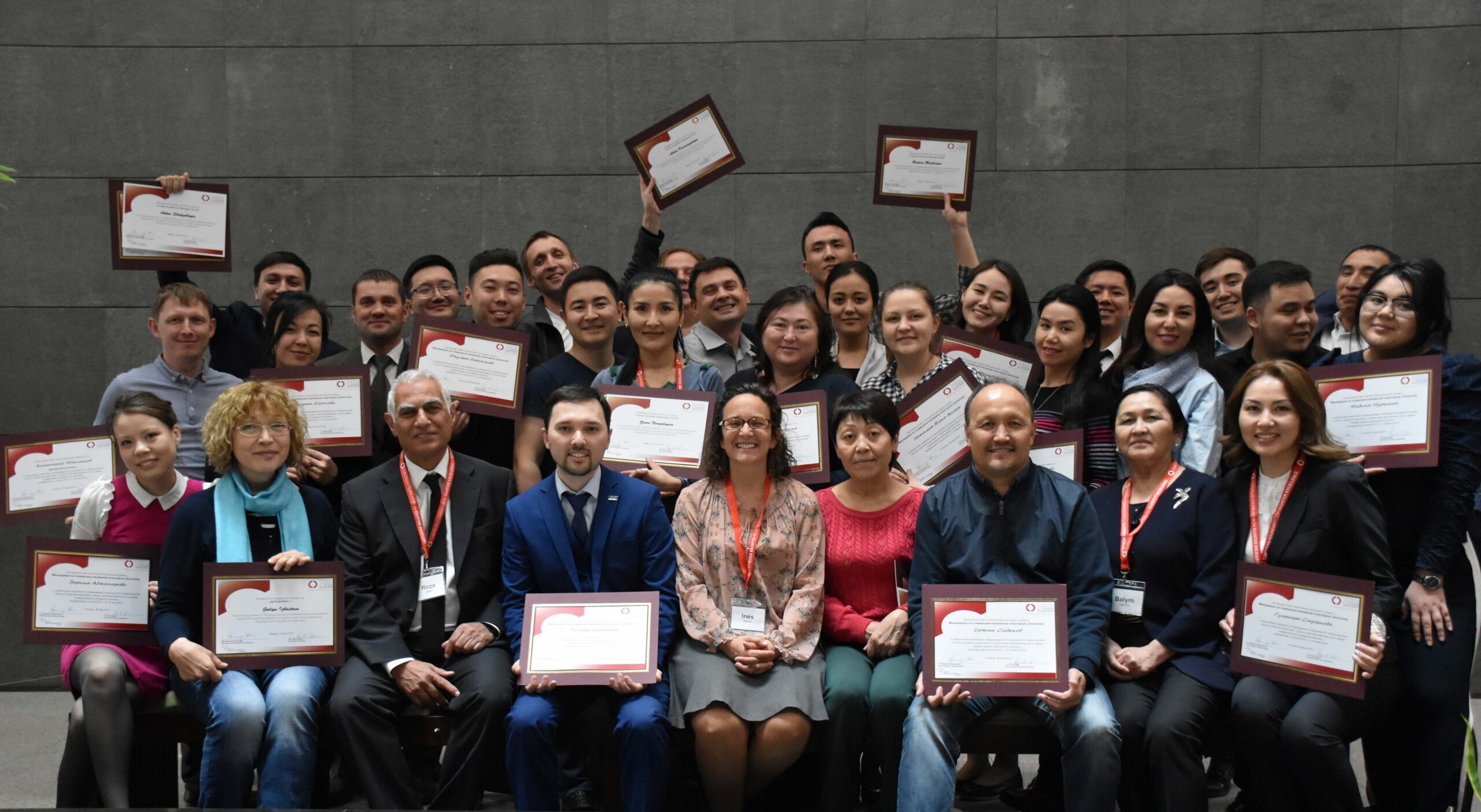
Successful Graduation
The Competitiveness Development Certificate
The program uses the case method to introduce the key concepts and methodologies on competitiveness developed by Prof. Michael Porter, founding trustee of the Foundation for Cluster and Competitiveness. Then the participants work in teams applying the tools to their own actual cases, which are discussed in peer-to-peer learning sessions. Field visits to cluster organizations, technology centers and companies allow benchmarking with international references.
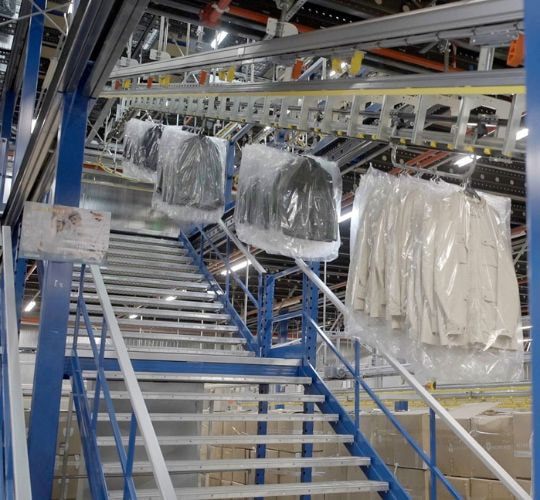
Credit: Logifashion
Showcasing Experiences in Competitiveness Policies
During the first week of November, the program includes a two-day visit to Lleida, the food hub of Catalonia, from agriculture to advanced food research.
The last week includes two days of customized visits to examples relevant to the cases that each team has developed. Visiting government agencies, cluster organizations, technology centers, and private companies, both buyers and producers.
Module Breakdown
A lecture on Industrial Policy will present location- and sector-focused approaches across multiple sectors and country contexts and explain why these policies are more relevant today for creating good, sustainable jobs. As an example of cluster-based regional development policies, we will examine the case of Yorkshire’s Regional Development Agency, particularly a cluster initiative that won the UK-wide ten-year program’s best initiative prize. We will examine how a thorough industry analysis led this agency to redefine its cluster development strategy. A similar example, but in a very different context, is the SME Agency of the state of Minas Gerais in Brazil, which will face the challenge of building its staff capacity for strategic analysis.
We will use Michael Porter’s HBS case on the birth and development of the California wine cluster to introduce the concepts of clusters, strategic segments, value chains, and the Diamond. We will also examine the role of government in developing an industry from scratch (from “prohibition” to “industrial policy”).
The HBS/IESE case study on the Spanish Fast-Fashion success story, ZARA, will show how understanding industry structure is critical to competing in the right strategic segment. However, you still need good entrepreneurs and the right cluster and business environment to succeed. Zara and the policies in Catalonia will serve as a good example.
We will practice strategic segmentation of a simple avocado from Chile and see how complex the analysis can be, and that adding value does not always add value.
An IESE case study on an entrepreneurial initiative in Egypt to advance organic and regenerative agriculture will highlight the challenges of implementing socially and environmentally sustainable models, particularly in developing countries.
Agriculture, especially livestock, requires major change to become sustainable; we draw on the experience of leading agricultural universities, Wageningen and Aarhus, to present examples of how leading clusters are adapting and transforming.
Prioritizing industries and clusters to reduce carbon emissions requires robust, sector- and cluster-specific analysis; examples from the World Bank in Croatia, India and Jordan highlight the challenges.
The implementation of competitiveness policies needs to be continuously monitored to respond to market disruptions and competitive challenges. The course offers three sessions on how countries and multilateral organizations monitor the implementation of competitiveness development policies.
The case study on the Norwegian Cluster Program includes a review of the methodologies available to them. The case on multilateral organizations offers examples from the World Bank, IDB, and EU.
This will be complemented by a lead expert from the World Bank sharing project implementation experiences.
The end-of-day workshops will divide participants into small groups to work on short cases more relevant to their interests, with a broader sector and geographic range.
We conclude with a roundtable featuring some of the Foundation for Cluster and Competitiveness’ trustees, who share their experiences as cluster managers, policymakers, or academics. This is an opportunity for participants to provide feedback to further improve future editions.
The program includes two full days of field study visits to highlight examples of competitiveness support initiatives across Catalonia. These visits will focus on cluster organizations, the provision of shared services, and common cross-cutting technological infrastructure.
Field Visit on 21 January 2027: Agrifood Technology Centers:
IRTA – Fruitcentre – Catalan Institute for Agrifood Research and Technology
A public research and technology transfer organization, working with the private sector and academia, to support the agrifood industry in Catalonia.

Field Visit on 22 January: Cluster Organizations and Services:
FEMAC – Catalan Cluster of Agricultural Production
A case study of the transformation of a cluster of blacksmiths into a global player in agricultural technology, supporting Catalan farmers.
Field Project and Peer-to-Peer Learning
Each team shares and discusses the information the AI Agent has prepared about the industry they are working on
Each team shares and discusses the information the AI Agent has collected about the industry they are working on
Each team shares and discusses its AI Agent-supported initial strategic segmentation
Each team shares and discusses the revised strategic segmentation for its industry
Each team analyzes how the industry-level findings can help improve national-level policies
Benchmarking Visits Final Week
The first two days of the Final in-person week in Barcelona are dedicated to visiting clusters, technology centers and companies in the sectors in which each team is working on their field projects.
The Foundation will coordinate the May 31st visits and facilitate contact with companies for the June 1st visits. For the June 1st visits, teams will be responsible for arranging and covering their own travel costs, with the option of using the Foundation’s travel agent for advice and assistance.
Example of a benchmarking visit: Catalan Leather Cluster
A good benchmarking case study for anyone working on the green transformation of an industry. The leather industry (tanneries) in a centuries-old cluster in Igualada, one of the most polluting industries in Catalonia, transformed to a green circular and competitive industry
Typical structure for cluster visits
– Visit to the cluster organization
– Presentation of the cluster origin and the cluster organization constitution
– Visit to the specialized Technology Center
– Visit to R+D centers and common services
– Visit to Common Services
– Water treatment plant and other joint enterprises
Example of company-level visits
Catalonia offers a wide variety of clusters, from tourism to advanced laser technologies. The Foundation will facilitate the contact details and an introductory letter to reach out and set up a one-on-one meeting.

Example of a one-on-one visit
For example, participants working with apparel clusters may find it interesting to visit Logisfashion, a company that started as an entrepreneurship project at IESE Business School and now provides logistics and value-added services to top brands worldwide.
Instructors
Our instructors come from a global pool of experts drawn from academics from leading business schools and institutions, experienced cluster practitioners, policymakers and public officials. This unique mix of expertise ensures our programs bridge policy, practice, and academic rigor, and equip participants with practical skills in cluster and economic development policymaking.
Daily Program
On Campus
The daily program runs every day from 9 am to 18:00, including lunch (13:00 -14:00) and coffee breaks (11:00 -11:30 & 15:30 -16:00).
Field Study Visits January 2027
The field visit to Lleida on January 21: the coach pick-up is at 9 am, returning to Barcelona (ESCI-UPF) Friday January 22 at 19:00, traffic permitting.
Field Study Visits May – June 2027
The Foundation will organize and coordinate the visits on May 31st to Cluster Organizations, Common Services and Technology centers and will facilitate the contact details for the visits to companies on June 1st.
Each team will have to make and pay for their travel arrangements. The Foundation will offer the services of its travel agent to assist with these arrangements.
Practical Information
Dates:
First Week: In class and field visits, Barcelona 18 – 22 January 2027
Field Project in Country: online peer-to-peer learning, 25 January 2027 – 28 May 2027
Final Week: In class and field visits, Barcelona 31 May – 4 Jaune 2027
Venue
ESCI-upf, School of International Business, Universitat Pompeu Fabra
Passeig de Pujades 1
08003 Barcelona
How to get here

Course Fees
The fee for the full program is €9,500 per person, including the two-week in-person program and the online peer-review sessions. The fee covers all course materials and refreshments during breaks. During the field visits in the first week, accommodation and meals are also included.
Participants have the option of attending only the first week of the program. The fee for attending this week only is €3,500 per person.
Bursaries and Scholarships Available
Prof. Antoni Subirà Bursary Program
Public officials from non-OECD countries, whose participation is funded by their government or public institution (and not by a donor-funded program), may be eligible for the Prof. Antoni Subirà Bursary.
The Bursary is designed to facilitate participation in the Foundation’s training programs and support public officials in strengthening their knowledge and practical understanding of economic competitiveness.
The Bursary covers 40% of the tuition fee.
Doctoral Students Scholarship
A limited number of scholarships are available to PhD and post-doctoral students from universities and relevant research centres. Applicants must provide a recommendation letter from their research supervisor.
The Scholarship covers 90% of the tuition fee.
Important information
The bursaries and scholarship cover tuition fees only. All other expenses, including travel, accommodation and subsistence, must be covered by the participant and/or their sponsoring institution.
If you need to apply for a bursary or scholarship, please select the appropriate option on the application form.
Payments:
Payment must be made in Euros by bank transfer (details in acceptance letter); contact us for PayPal or Credit Card options.
Meals and Refreshments:
All morning and afternoon refreshments are included; Meals and accommodation are provided during January field visits on Thursday and Friday; on other days, participants may dine at the ESCI Cafeteria or nearby establishments.
Applications Process:
1 – Submit online application
2 – Invoice issued and registration confirmed upon payment
3 – Course pack sent two weeks before start date.
VISAS: If a supporting invitation letter is needed, register immediately without payment; the letter will be provided promptly and payment is due once the visa is received.
Cancellation Policy:
You may cancel your registration free of charge up to 30 days before the program start date. A full refund will be issued, minus any applicable bank transfer fees. Cancellations requested after this 30-day window will incur an administration fee equal to 25% of the tuition fees.
Program Changes: – We reserve the right to cancel or reschedule the program up to 30 days in advance. The Foundation assumes no liability for personal travel expenses in the event of such changes.
The 2027 Edition
18 – 22 January 2027 (WK1 in class and field visits, Barcelona)
25 January 2027 – 28 May 2027 (Field Project – online peer-to-peer learning)
31 May – 4 June 2027 (WK2 in class and field visits, Barcelona)
Before applying you may attend an online information session on 4 November 2027 at 14:00(CET) where you can find out more and ask any questions you may have.
Register to attend the Info session