The Competitiveness Summer School
- The Competitiveness Summer School at IESE Business School in Barcelona is an annual summer program for senior policymakers and professionals in economic development.
- It gathers participants from various countries and fields related to competitiveness and clusters.
- The program offers networking, learning from faculty, and exposure to different perspectives.
- It provides an overview of principles, methodology, and strategies from the Foundation for Clusters and Competitiveness’s training.
- Focuses on creating jobs and prosperity by enhancing cluster competitiveness and sustainability
- Includes three days of classroom sessions and two days of field visits to learn from Catalonia’s experience.
- Uses active participation methods like case studies, lectures, and workshops;
- Participants complete pre-class readings and engage in discussions, applying tools to real-world cases
The 2027 Edition
The Competitiveness Summer School at IESE Business School in Barcelona
Provisional Date:
7 – 11 June 2027 (full program)
7 – 9 June 2027 (core program)
Registration open from Januray 2027
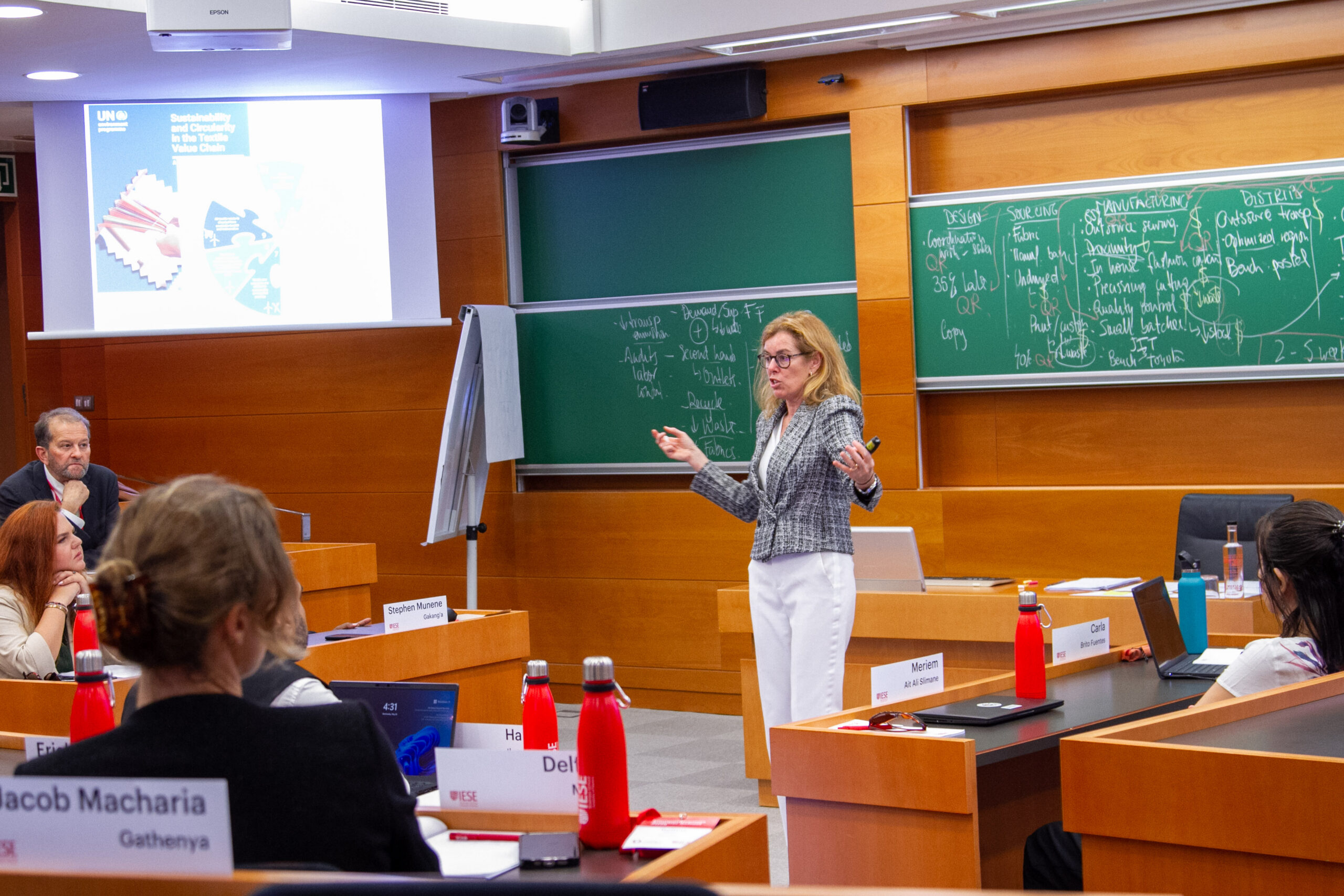
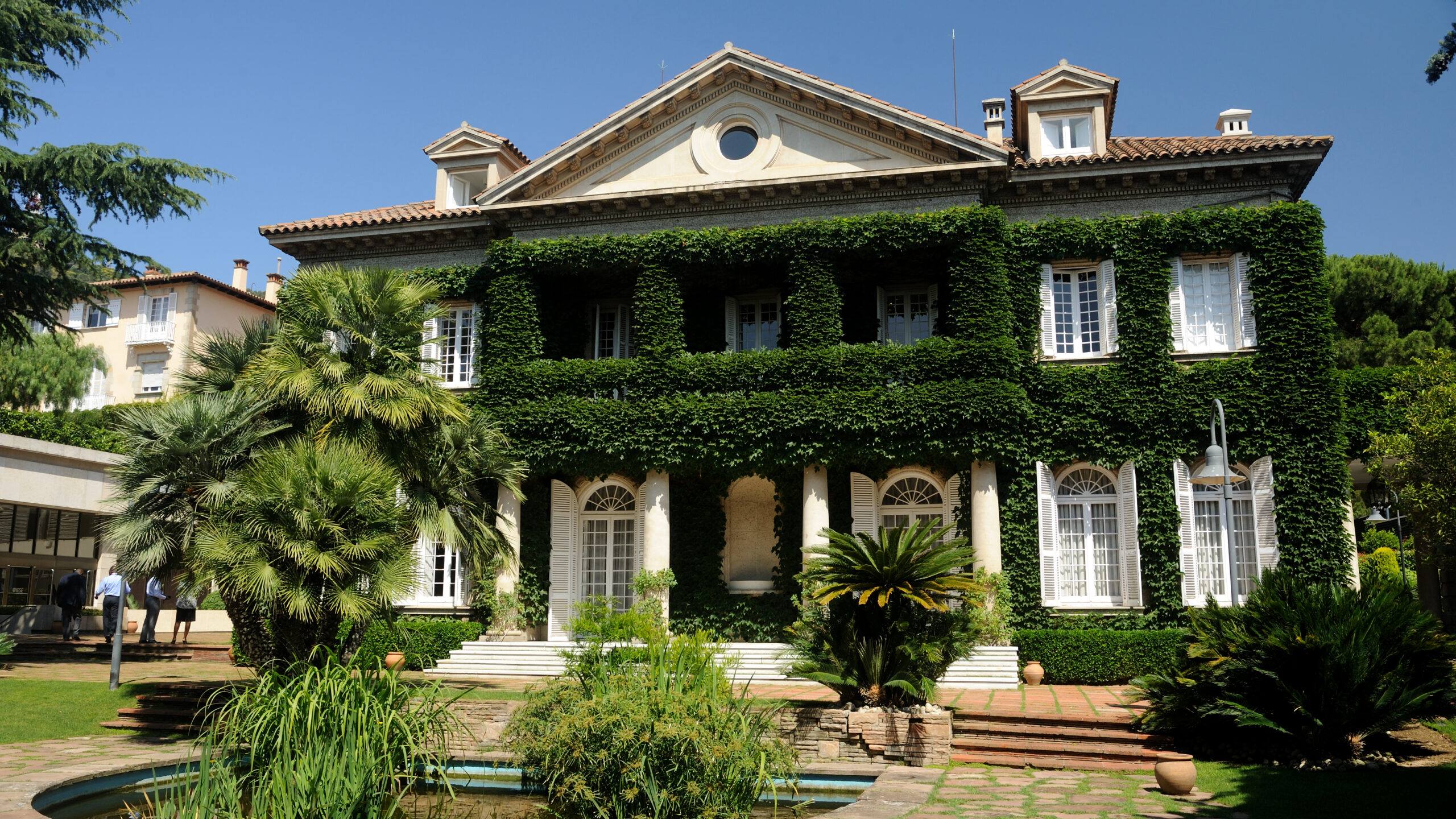
The annual summer program at the IESE Business School in Barcelona
The program provides an overview of the core principles, methodologies and strategies covered in the Foundation for Cluster and Competitiveness‘s more extensive training program. It is a highly insightful workshop designed to help senior stakeholders reflect on the need to enrol their teams in the Foundation’s training programs.
The Competitiveness Summer School program focuses on the fundamentals of job creation and prosperity by strengthening clusters’ competitiveness and sustainability.
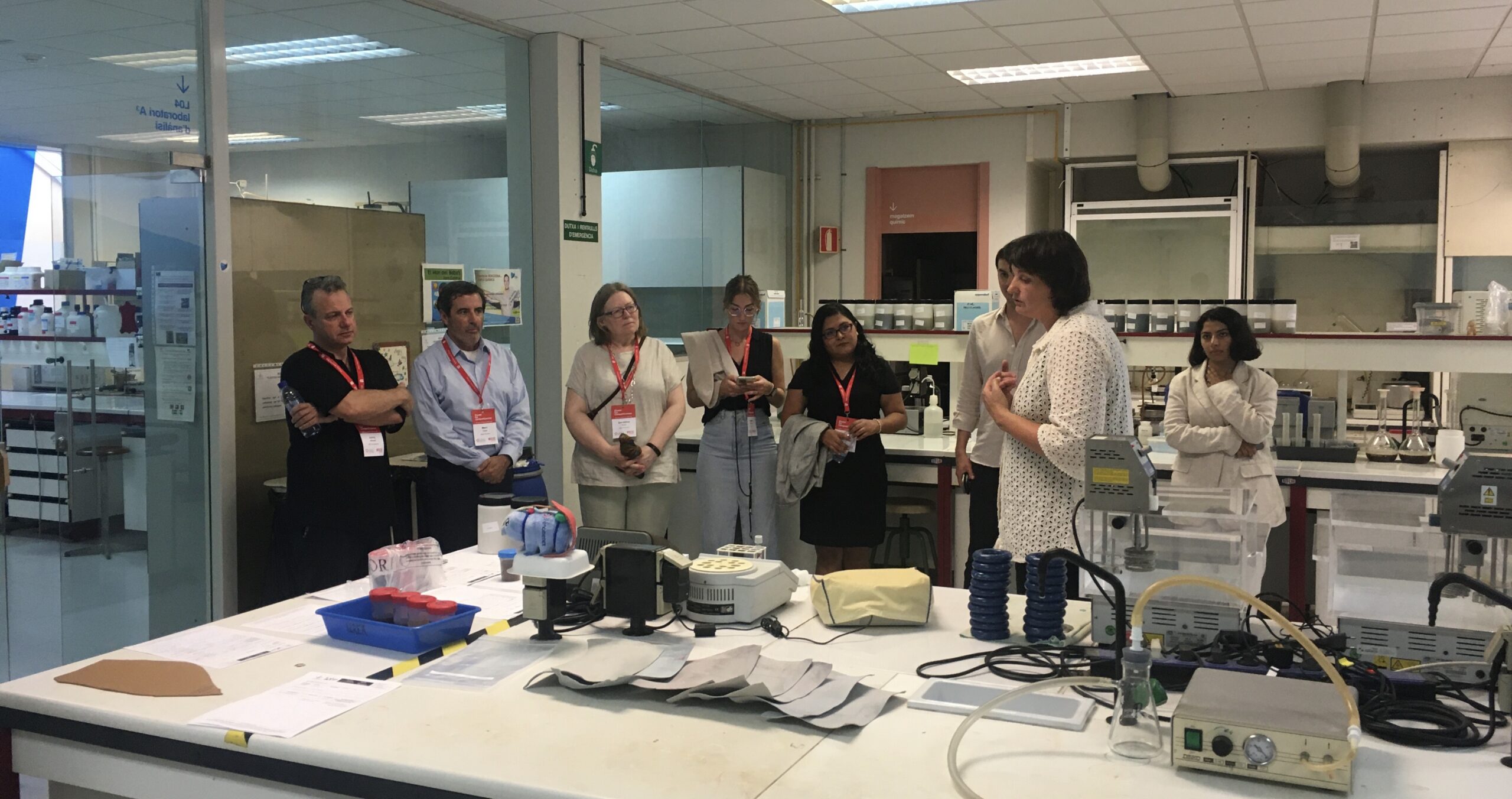
Visit to public Leather R+D Center
Showcasing Experiences in Soft Industrial Policies
The program’s pedagogical format emphasizes active participation from all participants, whether in case-method sessions, lectures, or field visits. Some pre-class reading will be required, but short videos and slides will also introduce the cases for discussion. In-class days will conclude with hands-on workshops or round tables to review a broader range of cases.
What does the course cover
Module Breakdown
A lecture on Industrial Policy will present location- and sector-focused approaches across multiple sectors and country contexts and explain why these policies are more relevant today for creating good, sustainable jobs. As an example of cluster-based regional development policies, we will examine the case of Yorkshire’s Regional Development Agency, particularly a cluster initiative that won the UK-wide ten-year program’s best initiative prize. We will examine how a thorough industry analysis led this agency to redefine its cluster development strategy. A similar example, but in a very different context, is the SME Agency of the state of Minas Gerais in Brazil, which will face the challenge of building its staff capacity for strategic analysis.
We will use Michael Porter’s HBS case on the birth and development of the California wine cluster 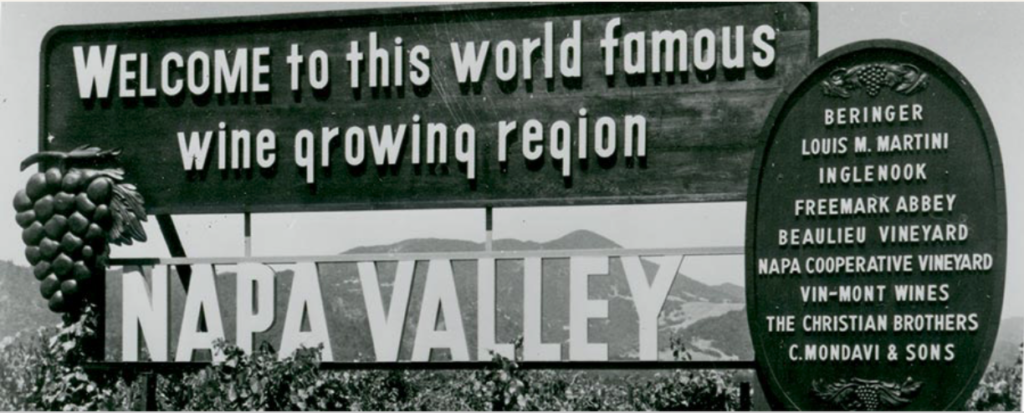 to introduce the concepts of clusters, strategic segments, value chains, and the Diamond. We will also examine the role of government in developing an industry from scratch (from “prohibition” to “industrial policy”).
The INSEAD and IESE case studies on the circus industry emphasize that understanding the industry structure is critical to competing in the right strategic segment. However, you still need good entrepreneurs and the right cluster and business environment to succeed. Cirque du Soleil and the city of Montreal will serve as a good example.
We will practice strategic segmentation of a simple avocado from Chile and see how complex the analysis can be, and that adding value does not always add value.
A lecture will introduce the Sustainability Imperative, explain what sustainability is, and why companies need it and why they need it now.
An IESE case study on an entrepreneurial initiative in Egypt to advance organic and regenerative agriculture will highlight the challenges of implementing socially and environmentally sustainable models, particularly in developing countries.
Agriculture, especially livestock, requires major change to become sustainable; we draw on the experience of leading agricultural universities to present examples of how leading clusters are adapting and transforming.
Prioritizing industries and clusters to reduce carbon emissions requires robust, sector- and cluster-specific data; an example from India highlights the challenges.
Two workshops will divide participants into small groups to work on cases more relevant to their interests, with a broader sector and geographic range.
We conclude with a roundtable featuring some of the Foundation for Cluster and Competitiveness’ trustees, who share their experiences as cluster managers, policymakers, or academics. This is an opportunity for participants to provide feedback to further improve future editions.
The full program includes two full-days of field study visits to highlight the examples of cluster support initiative across Catalonia. These visits will focus on cluster organisations and provision of shared services as well as common cross-cutting technological infrastructure.
Instructors
Our instructors come from a global pool of experts drawn from academics from leading business school and institutions, experienced cluster practitioners, policymakers and public officials. This unique mix of combined expertise ensures our programmes bridge policy, practice and academic rigour, and equip participants with practical skills in cluster development and economic development policymaking.
Daily Program
On Campus
On Monday to Wednesday, the program runs every day from 9 am to 18:00, including lunch (13:00 -14:00) and coffee breaks (11:00 -11:30 & 15:30 -16:00).
Field Study Visits
On Thursday 10 June, and Friday 11 June the coach pick up is at 9 am, returning to Barcelona (IESE Business School) at 18:00, traffic permitting. On Friday the coach will have an additional stop at Barcelona Airport around 17:30 for those who need to leave that evening.
Two examples of typical study visits are highlighted below.

The Catalan Water Partnership (Girona)
Example 1 – Common Cross-Cutting Theme
Focus on Cluster-based Policies:
Case 1: 30 years of Cluster Policy in Catalonia (HBS)
This case follows the trajectory of cluster-based development policies over the past 30 years, across different governments and economic ideologies
Case 2: The Catalan Water Partnership (ACCIO)
A short case will introduce the creation of this cluster organization, why was it needed and how it has evolved
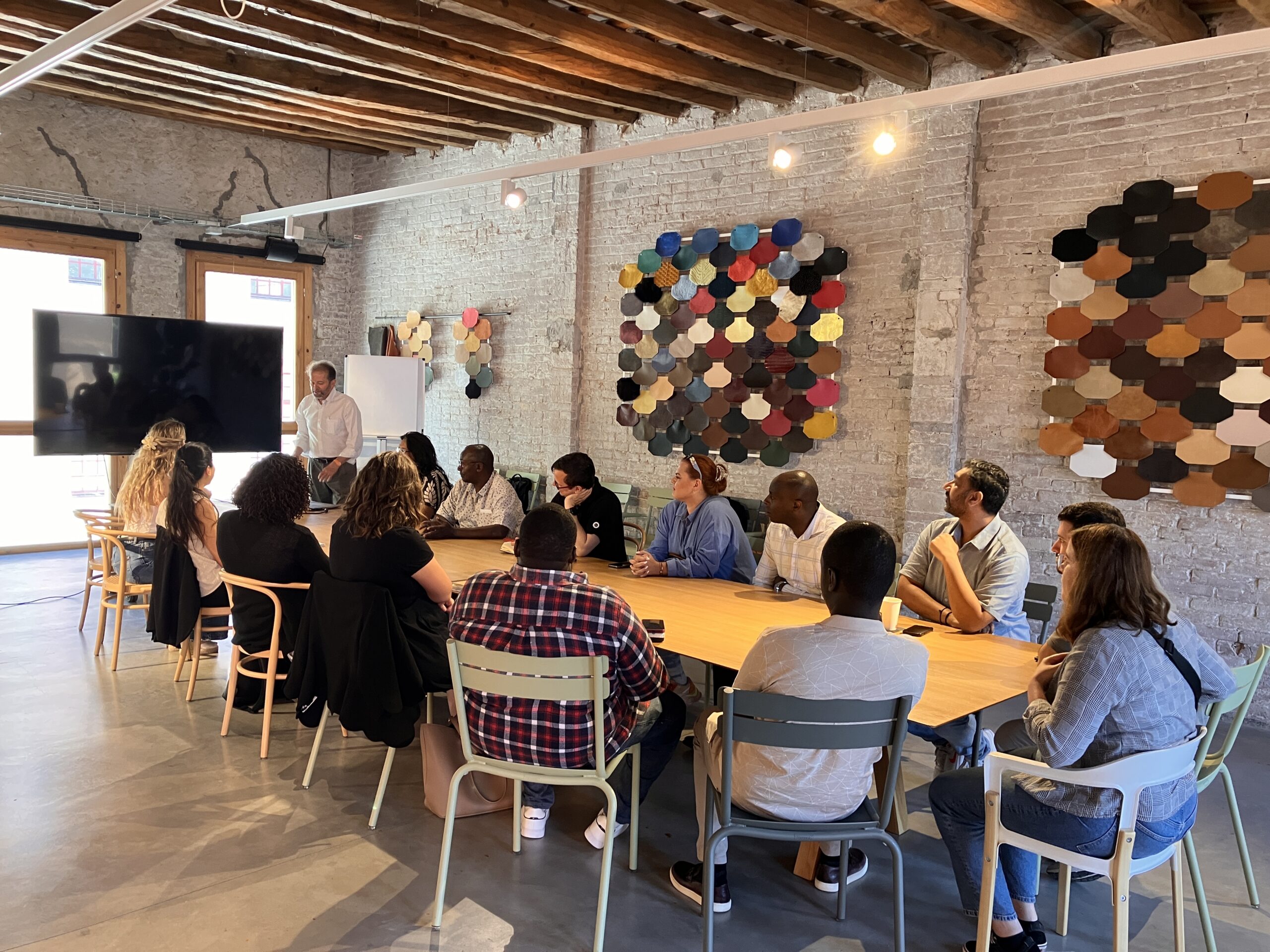
Catalan Leather Cluster (Igualada)
Example 2 – Cluster Organizations and Shared Services
Cluster-Based Policies:
Case: The Catalan Leather Industry (HBS and IESE)
The 1995 case presents this leather cluster as the “Cinderella” of industries. 30 years later is a success story, serving the top luxury brands in the world.
Lecture: The new challenges of the cluster
From the perspective of the companies, the local university research center and the common services waste treatment plant.
Practical Information
Dates:
Full Program, on Campus and Field Visits: 7 – 11 June 2027;
Core Program, on Campus: 7 – 9 June 2027
Venue:
IESE Business School, South Campus, Avenida Pearson, 21, 08034 Barcelona (Spain)
Located in Pedralbes neighbourhood of the city, only 20 minutes by taxi from downtown Barcelona or the airport; also accessible via FGC (local train L6 to Reina Elisenda, 15-min walk) or Metro (Line 3 to Zona Universitaria and then a 20-min walk).
Meals and Refreshments:
All morning and afternoon refreshments are included; lunch is provided during field visits on Thursday and Friday; on other days, participants may dine at the on campus restaurant or nearby establishments.
Cancellation Policy:
You may cancel your registration free of charge up to 30 days before the program start date. A full refund will be issued, minus any applicable bank transfer fees. Cancellations requested after this 30-day window will incur an administration fee equal to 25% of the tuition fees.
Program Changes: – We reserve the right to cancel or reschedule the program up to 30 days in advance. The Foundation assumes no liability for personal travel expenses in the event of such changes.