Competitiveness Academy
Tailored Programs for Capacity Building
The Competitiveness Academy delivers programmes specifically adapted to your country’s needs. Offerings range from concise, one-week introductory courses to comprehensive, year-long, on-the-job capacity-building initiatives. Each programme is meticulously crafted to enhance the abilities of economic development professionals and business support providers.
Strengthening Skills for Economic Development
These tailored programmes are designed to empower local policymakers, equipping them with vital analytical tools and practical expertise. Participants gain the skills needed to oversee sector-specific projects, with a focus on advancing value chains and clusters in their regions. By participating, professionals are better prepared to foster competitiveness in their local economies.
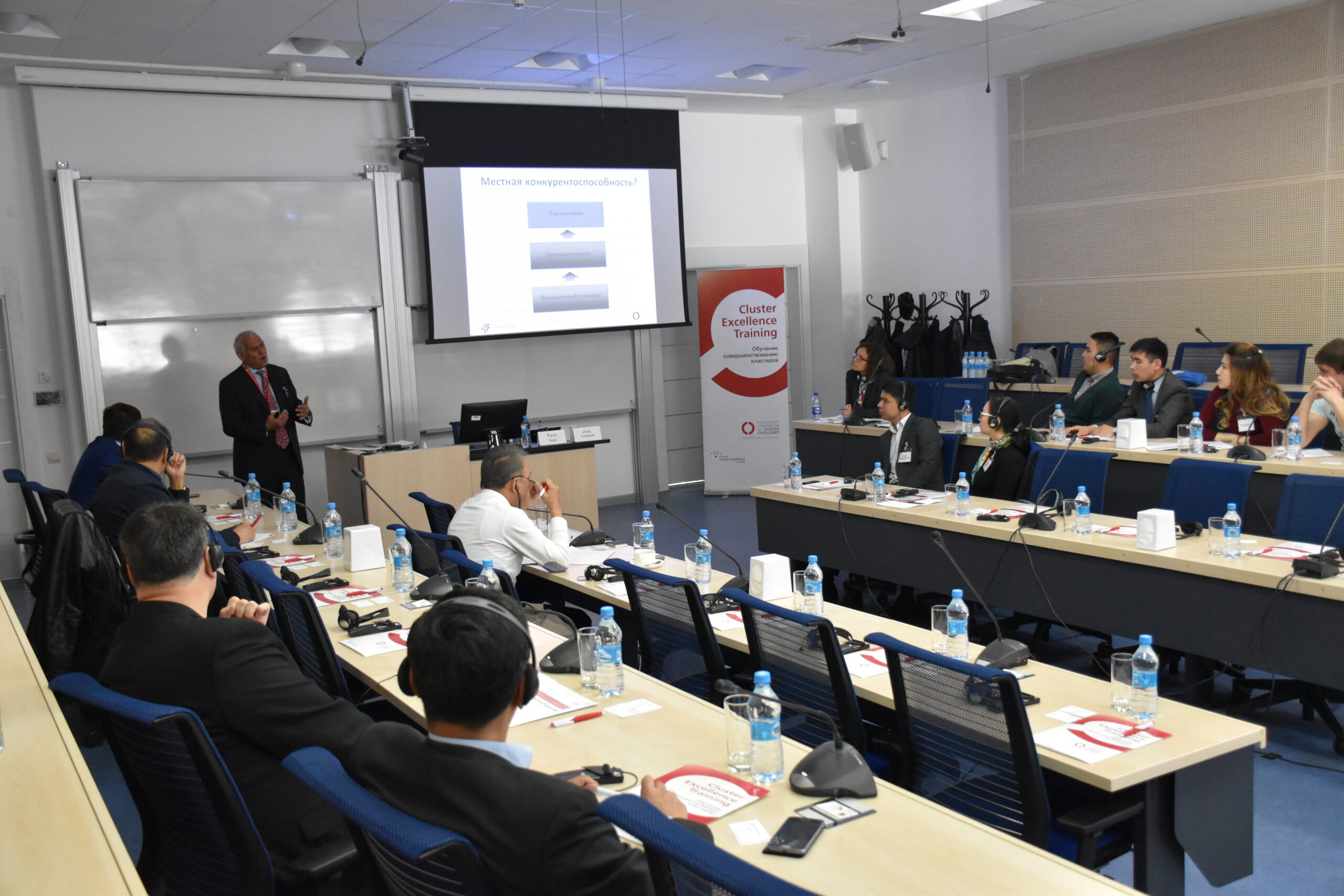
World Bank project in Kazakhstan
About the Competitiveness Academy
The primary goal of this training is to enhance professionals' capacity to design and implement effective policies that strengthen enterprise competitiveness.
In 2010, the curriculum development received significant support from the EU-funded European Cluster Excellence Initiative.
This collaboration facilitated the creation of comprehensive case studies in key areas, including Location Economics, Industry and Value Chain Analysis, Change Management, and Governance of Institutions and Collaboration.
Program Structure and Approach
The Academy’s programs are designed to build skills through practical, modular, and adaptable learning formats. Each offering is developed in close partnership with a city, region, country, or multilateral organization, ensuring that the timing and scope are tailored to meet the unique needs of each context.
Program Formats and Locations
Courses provided by the Competitiveness Academy can be sector-specific, often engaging participants from multiple countries, or they can cover all economic sectors within one or more nations. Training sessions are available either at the International Trade School of Pompeu Fabra University in Barcelona (https://www.esci.upf.edu/en) or hosted in participants’ home countries.
Languages and Course Delivery
All courses and case studies are available in English, French, or Spanish. For other languages, simultaneous translation is provided, as demonstrated by previous courses conducted in Arabic and Russian. The duration of each course is flexible and can be adapted according to the specific requirements of the participants. Examples of different course formats and durations are available upon request.
Competitiveness Academy Formats
One-Week Introductory Courses
These courses are a tailored version of our one-week Competitiveness Summer School, typically comprising 3–4 days of classroom sessions and 1 day dedicated to field visits.
One-week programs have been held at our headquarters in Barcelona, such as for teams coming from the Atlantic Islands under the EU project, or at various client locations, including the University of the West Indies in Trinidad for Caribbean countries, sponsored by the Inter-American Development Bank; at Universidad Adolfo Ibanez in Valparaiso, Chile, for different regions of Chile; at the Dom Cabral Foundation in Minas Gerais, Brazil, for various states of Brazil; and at Instituto Tecnologico de Sonora in Mexico.
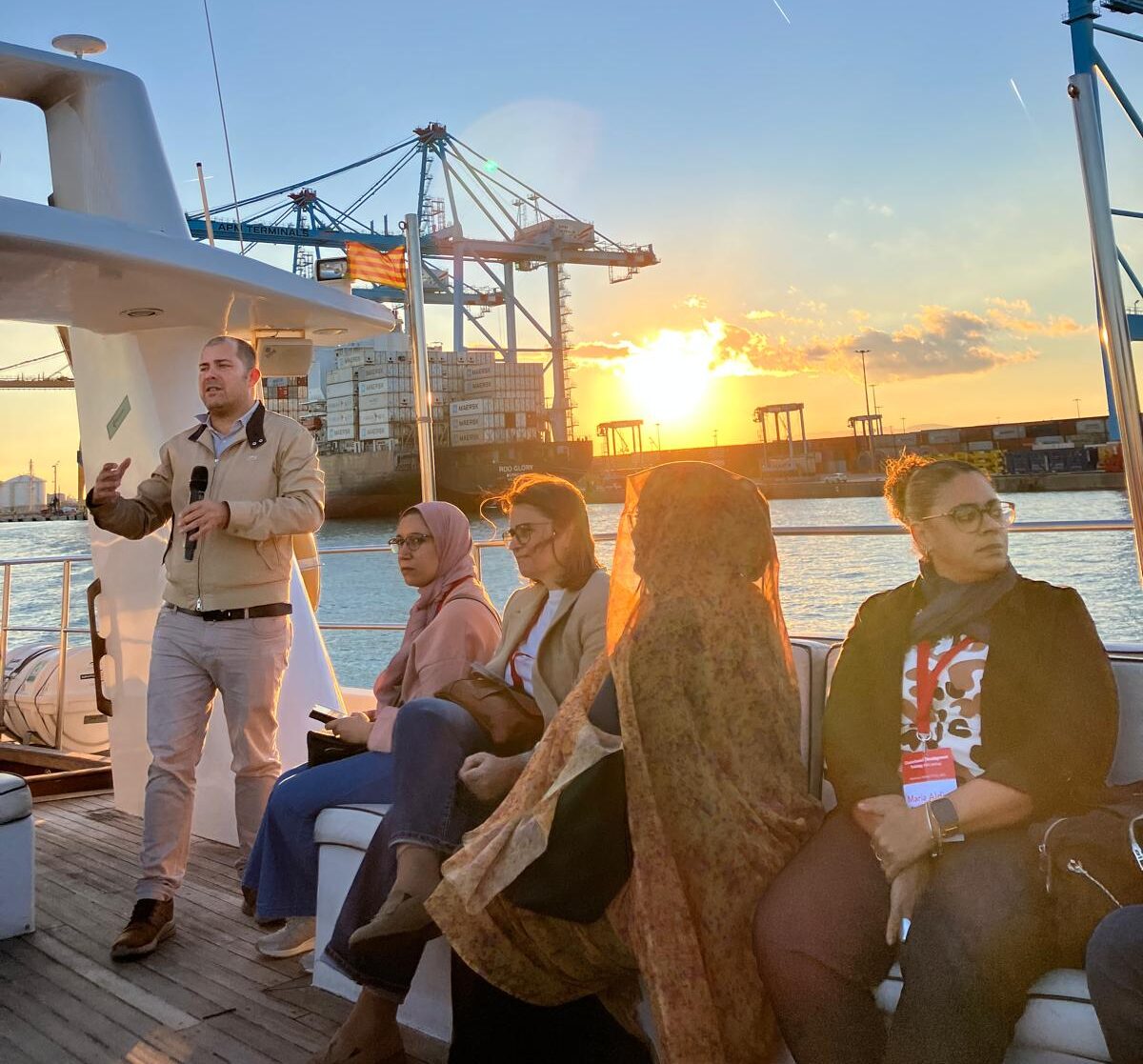
Barcelona's Port Visit
Madeira–Azores–Canary (MAC) (EU Intereg Project)
The four-day in-person training covered key topics such as industry and value chain analysis and cluster initiative management and included an additional module on EU project funding.
The field day highlighted the Blue Economy, starting with a case study of the Barcelona Nautic Cluster at the Barcelona Royal Yacht Club.
Participants heard from the case protagonists and the cluster manager, then visited the Port of Barcelona and its Living Labs. The day wrapped up with a boat tour of the port.
Three-Week Intermediate Courses
These courses are intended for teams already engaged in cluster-based development projects and seeking to enhance their analytical and change management capabilities. The curriculum typically involves real case studies to guide participants in identifying the most attractive strategic segments and the value chain activities and competencies required to compete.
These courses are usually held in the client country or rotate among several partners. Examples include regional or country development projects in Upper Egypt or Gabon (both for the World Bank), sector-specific courses such as textile training in Prato and Barcelona, logistics in the Baltic, or agriculture in Morocco (for the ILO).
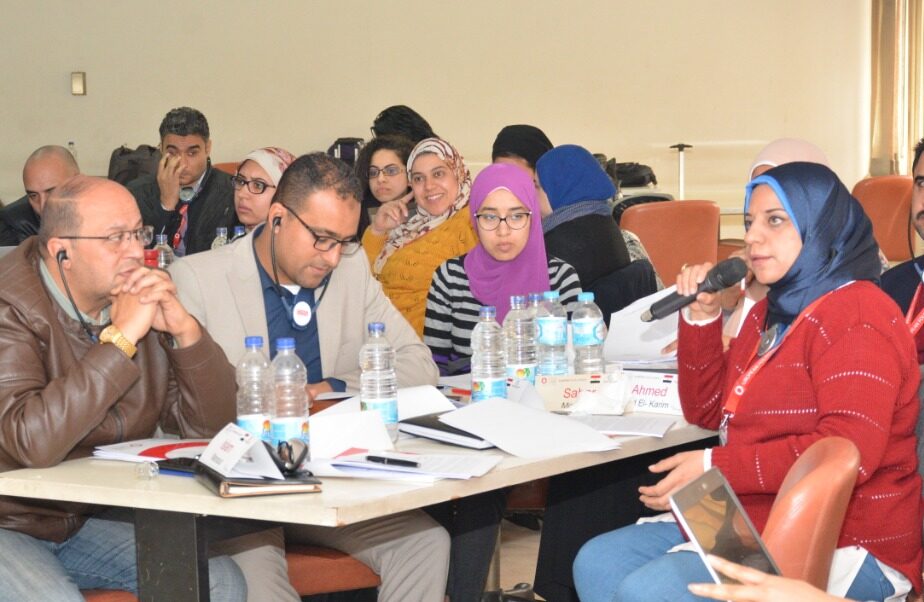
Upper Egypt training
Upper Egypt Regional Development (World Bank Project)
The Competitiveness Academy, in consultation with the Egyptian team and the World Bank, designed a three-week training tailored to these needs.
The sessions were held in Egypt and attended by both the local team and their supporting consultants.
Six-Week Full Program
The Full Program is intended for local teams with no prior experience in sector-specific economic development. Participants are typically public-sector professionals from development agencies and ministries, sometimes working alongside private organizations like chambers of commerce.
The courses thoroughly cover the Foundation’s curriculum, including Clusters Economics and Screening, Industry Analysis and Strategic Segmentation, Sustainability, Implementation and Change Management, Policy and Evaluation.
The six-week format spans 9 to 12 months, enabling hands-on training by incorporating participants’ projects into practical exercises.
The Foundation does not offer consulting but assists students in applying their learning to real-world cases. The Foundation has collaborated with consulting firms hired by governments or donors to coach and support students in project implementation.
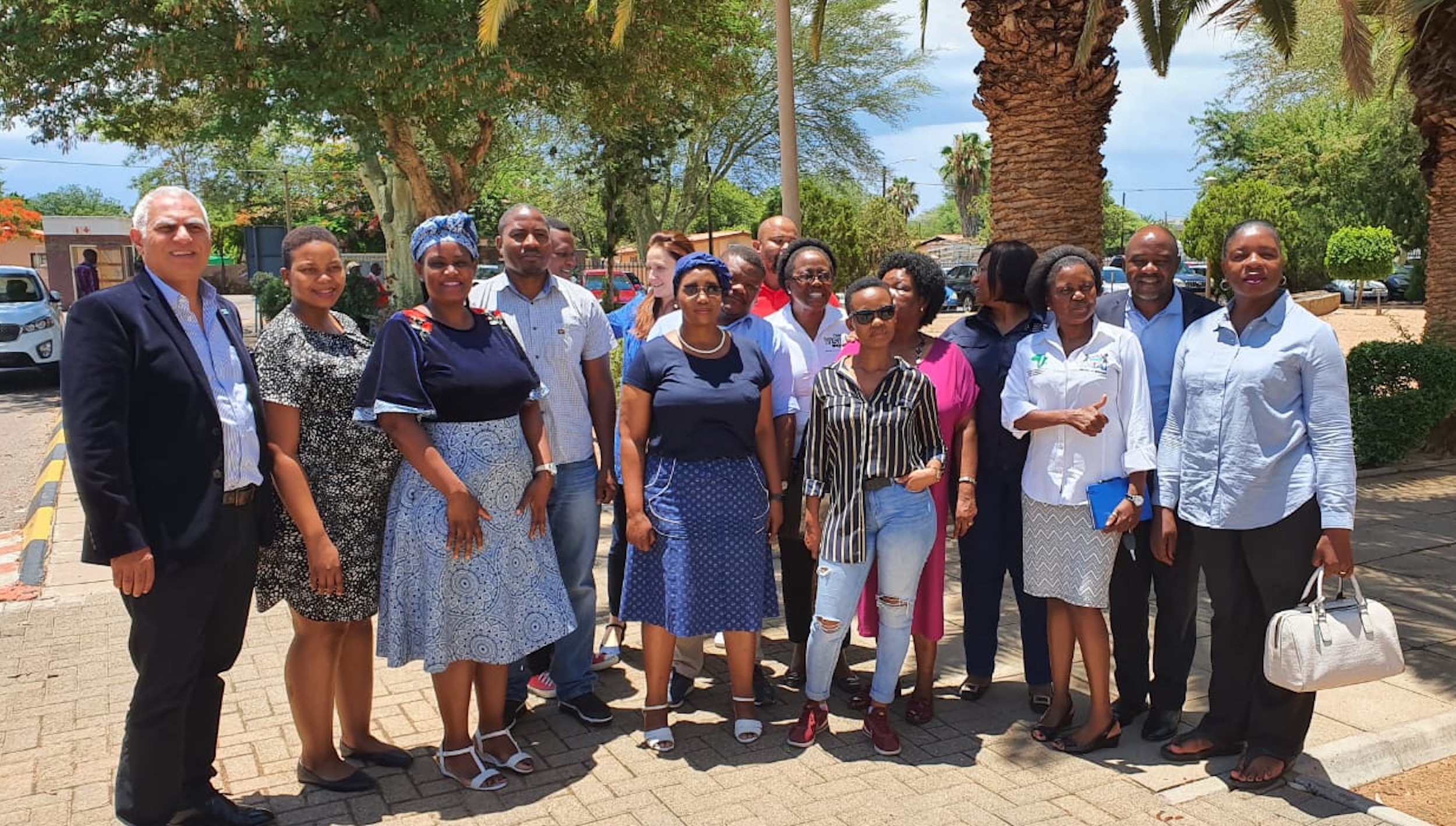
Full training programs have been implemented directly for governments, as in Botswana and Spain, or supported by multilateral institutions such as the European Union, the Inter-American Development Bank, the International Labor Organization, and the World Bank.
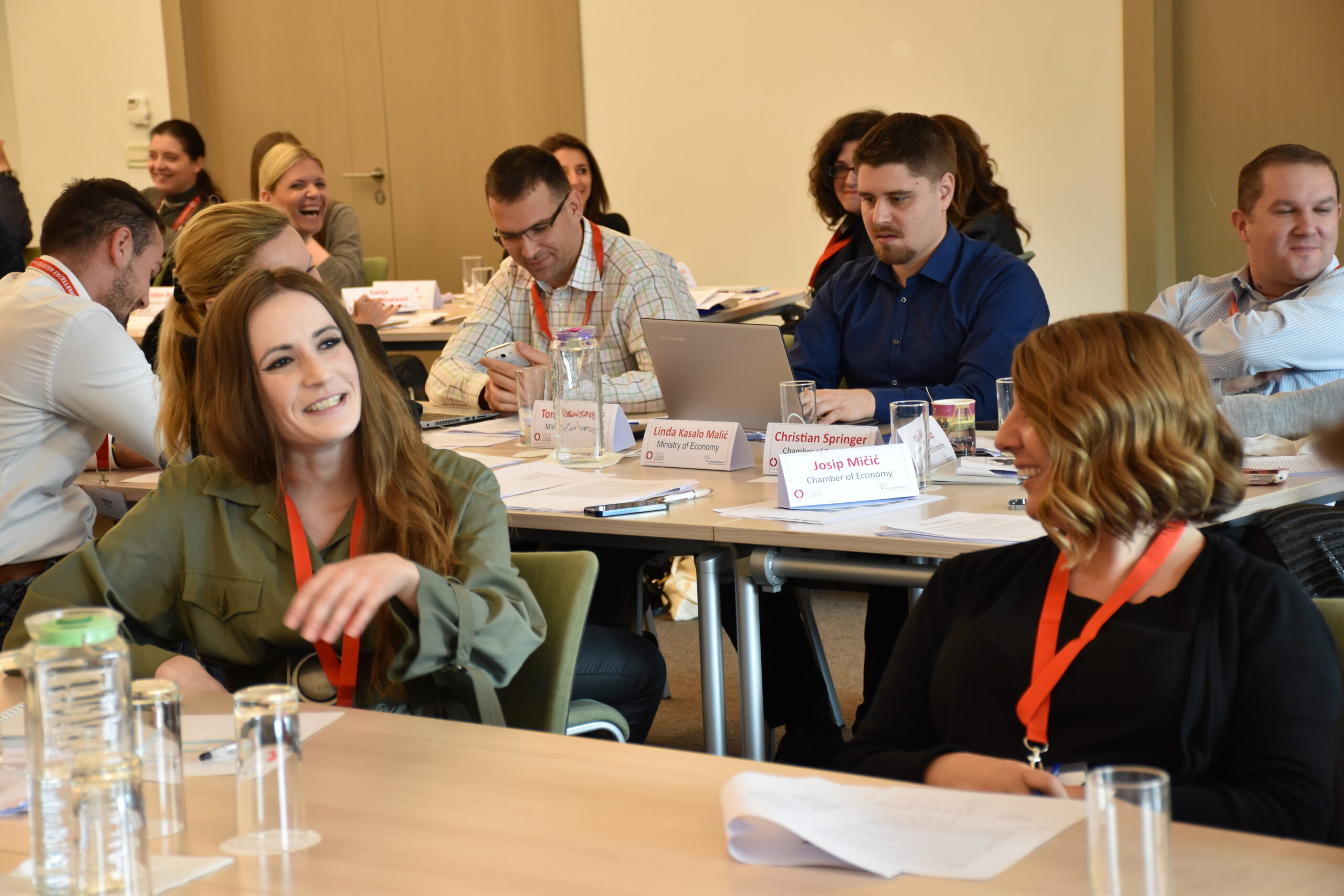
Training in Zagreb
Smart Specialization Strategy (S3) in Croatia (World Bank Project)
The World Bank assisted in assembling a team of 30 professionals under the Chamber of Commerce.
The six-week training took place in Zagreb over the course of one year, with participants divided into teams that worked in seven sectors in the first year and six in the second.
The Foundation delivered all academic aspects, including curricula, case studies, and professors, while the World Bank provided coaching from international experts and local consultants to help students apply their newly acquired knowledge.
Curriculum
Overview of Competitiveness Academy Programs
The Competitiveness Academy programs provide a comprehensive foundation in the essential areas necessary for designing and implementing location-based economic development projects. The curriculum addresses the key elements required for practitioners to succeed in this field.
Core Program Modules
- Location Economics and Cluster Initiative’s Screening
- Industry Analysis, Strategic Segmentation, and Value Chain Analysis
- Project Implementation and Change Management
- Cluster-based Economic Development Policies and their Evaluation
Additional modules are available upon request, allowing the program to be tailored to the specific needs of individual countries or Multilateral Financial Institutions (MFIs).
Teaching Methods
The program utilizes the case method developed at Harvard Business School. This approach requires students to complete pre-reading assignments and engage actively in class discussions. Through these discussions, participants consistently explore both economic aspects and the related social and environmental impacts of the topics studied.
Case Library
The library of case studies used in the program covers a broad array of sectors and countries. Each case typically addresses several areas of knowledge, enabling participants to see how different concepts are integrated and applied in real-world scenarios. While the table below lists the most frequently used cases, alternative cases may be selected in agreement with the host country to best match local contexts and priorities.
Faculty Roster
The Foundation has a roster of qualified faculty members who can teach the cases in multiple languages upon request. Local professors can be included if they have certified knowledge of the case studies. See the faculty who have participated in the training over the past 15 years.
Competitiveness Academy
Please contact us if you're interested in designing your custom training program. We can provide more detailed examples of past programs and collaborate with you to co-design and budget your program.