Course Curriculum
Module Breakdown
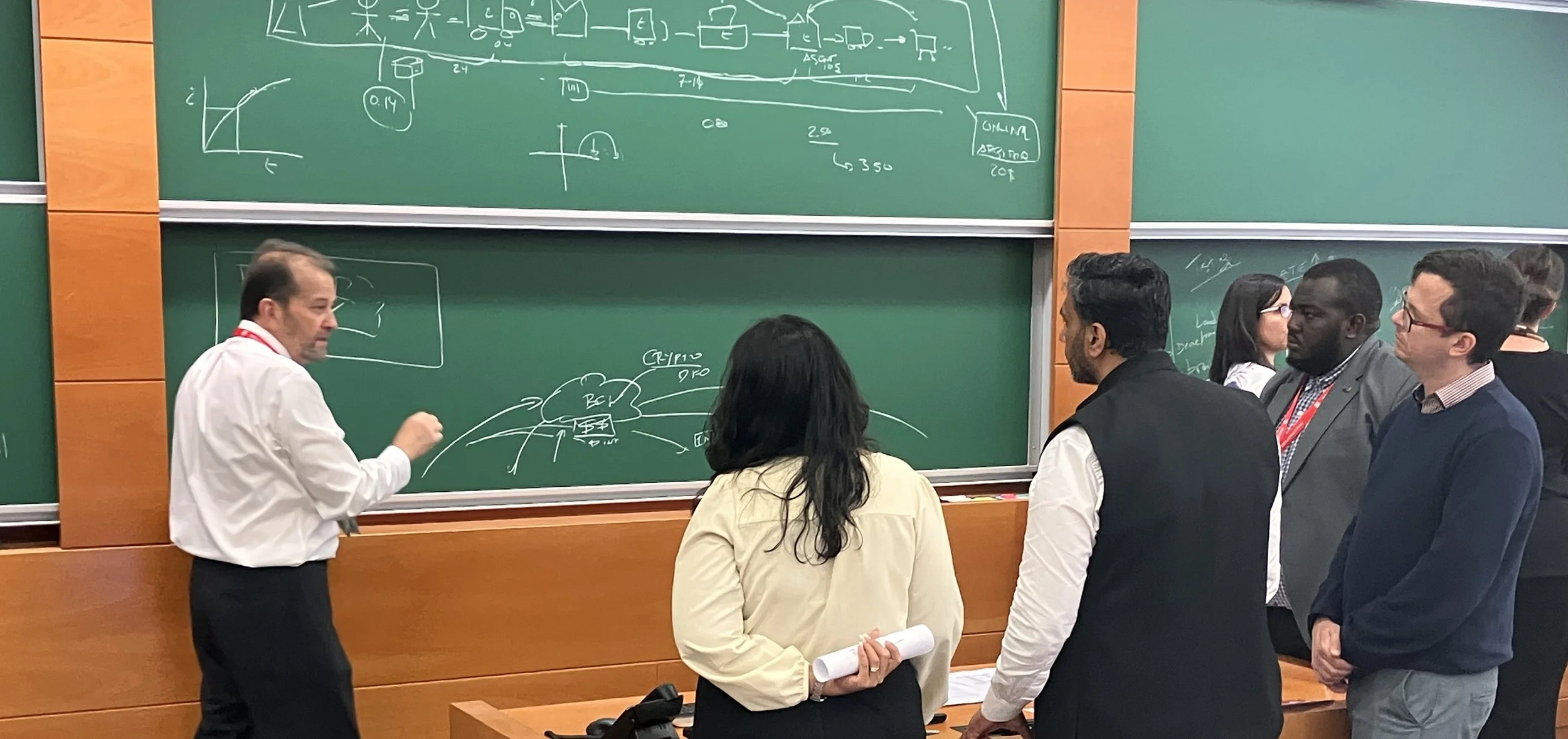
The Competitiveness Summer School presents the fundamentals of Industry Analysis, Value Chain Benchmarking, and Cluster-based Economic Development Policies, all under a Social and Environmental Sustainability angle.
-
A lecture on Industrial Policy will present location- and sector-focused approaches across multiple sectors and country contexts and explain why these policies are more relevant today for creating good, sustainable jobs.
As an example of cluster-based regional development policies, we will examine the case of Yorkshire’s Regional Development Agency, particularly a cluster initiative that won the UK-wide ten-year program's best initiative prize. We will examine how a thorough industry analysis led this agency to redefine its cluster development strategy.
A similar example, but in a very different context, is the SME Agency of the state of Minas Gerais in Brazil, which will face the challenge of building its staff capacity for strategic analysis.
-
We will use Michael Porter's HBS case on the birth and development of the California wine cluster to introduce the concepts of clusters, strategic segments, value chains, and the Diamond. We will also examine the role of government in developing an industry from scratch (from “prohibition” to “industrial policy”).
The INSEAD and IESE case studies on the circus industry emphasize that understanding the industry structure is critical to competing in the right strategic segment. However, you still need good entrepreneurs and the right cluster and business environment to succeed. Cirque du Soleil and the city of Montreal will serve as a good example.
We will practice strategic segmentation of a simple avocado from Chile and see how complex the analysis can be, and that adding value does not always add value.
-
A lecture will introduce the Sustainability Imperative, explain what sustainability is, and why companies need it and why they need it now.
An IESE case study on an entrepreneurial initiative in Egypt to advance organic and regenerative agriculture will highlight the challenges of implementing socially and environmentally sustainable models, particularly in developing countries.
Agriculture, especially livestock, requires major change to become sustainable; we draw on the experience of leading agricultural universities to present examples of how leading clusters are adapting and transforming.
Prioritizing industries and clusters to reduce carbon emissions requires robust, sector- and cluster-specific data; an example from India highlights the challenges.
-
Two workshops will divide participants into small groups to work on cases more relevant to their interests, with a broader sector and geographic range.
-
We conclude with a roundtable featuring some of the Foundation for Cluster and Competitiveness' trustees, who share their experiences as cluster managers, policymakers, or academics. This is an opportunity for participants to provide feedback to further improve future editions.
Field Visit
1
-
Common Cross-Cutting Technology Infrastructure
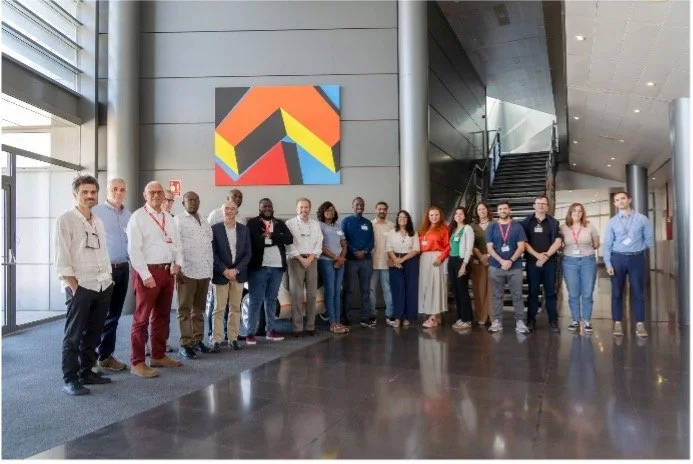
This field visit will highlight how public investments in cross-industry specialized infrastructure and technology centers originate in industry-specific analyses that document and support their needs. Visiting technology centers across a wide range of industries will provide examples and opportunities to discuss their origins and evolution, in some cases from public to private institutions.
Field Visit 2
-
Cluster Organizations and Shared Services
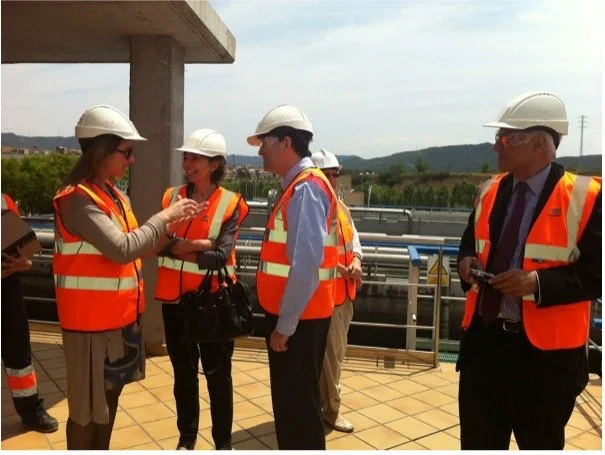
This field visit examines the evolution of a cluster organization from a business association to a service provider of R&D, technology, and other shared services. We will examine the roles of the different levels of government, universities, and the private sector

